Beyond the Cut-Off Points: What PSLE School Selection Taught Me About Fit


With Direct School Admission (DSA) results released last week and the PSLE just weeks away, stress levels are running high for many primary 6 students. Soon, families will sit down to tackle the next big hurdle: secondary school selection.
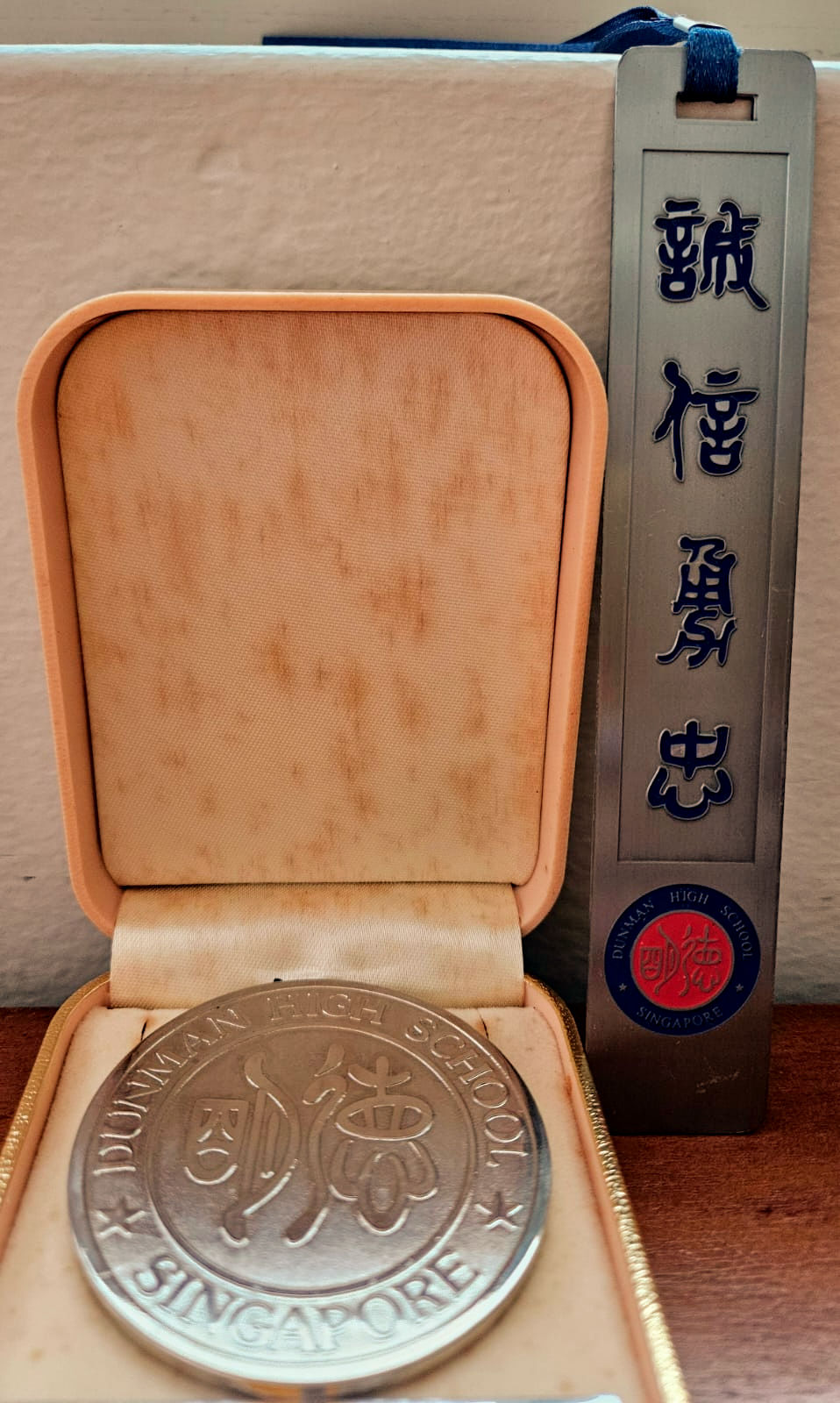
Decades ago, my parents faced that exact decision and opted for me a Special Assistance Plan (SAP) school over choices like RI or VS. Looking back, that choice taught me a crucial lesson: a school's prestige matters far less than how its environment aligns with a child’s background and interests.
Growing up, my home language was a blend of Chinese dialect, English and Mandarin. To the casual external observer, this probably makes for a very confused mix of languages. I did grow up feeling deficient in my command of both English and Chinese, even though I spent many a weekends in kindergarten and lower primary hanging out by my grandfather's Chinese second-hand bookshop in town. I would enjoy sitting next to him while he would pick out some dusty yellowish Chinese novel from the shelves and read it aloud to me. Unfortunately, the only recollections I have now of those days are of me trying to see if there are pictures/drawings in those books. I didn't particularly enjoy looking at those '方格字 '. My mum had slightly better luck with me with English. I felt more at home with the Enid Blytons and Alice in Wonderland, and how I found so familiar later on whenever I read about life in the English countryside and drinking tea.
Entering a SAP school was a cultural shock. Surrounded by a heavy emphasis on "Chineseness" and taught by passionate Nantah alumni, my Chinese grades languished at the bottom of the class. I still remember the first Chinese essay that I had submitted in secondary 1; the teacher returned it to me with a comment something along the lines of 'this is such a lousy piece of writing that I wonder how you even managed to get admitted to this school,' and had mine shown as an example to the rest of the class of how not to write one.
The bigger mismatch was my passion for STEM. My heart lay in science and math, but because the school was heavily focused on Chinese language and culture, STEM opportunities were practically non-existent compared to what some of my peers in other schools enjoyed. While my teachers did spark some political awareness by bringing history topics like the Hock Lee Bus riots to life, I spent 4 years navigating a culture and (higher chinese) curriculum that simply didn't match my primary interests.
My experience showed that school selection shouldn't just be about chasing cut-off point rankings. For parents, as you research schools, dig deeper into the actual environment and offerings:
Assess Culture Fit: Will your child feel at home in the school's language and cultural ecosystem, or will they face an uphill battle?
Look Beyond Niche Labels: If your child has interests in STEM or Humanities, check if the school actually provides dedicated programs and resources to develop those specific interests.
Evaluate Gatekeeping: Are opportunities like Singapore Science and Engineering Fairs (SSEF) or Olympiads open to all passionate students, or strictly gatekept only for the top academic scorers?
Every school environment shapes a child differently. Choose the place where your child can actually flourish, not just the one with the highest score on paper.